
Exploring cultural perspectives in gambling practices around the world
The Historical Roots of Gambling
The practice of gambling has deep historical roots that span across numerous cultures and civilizations. Ancient Chinese, Roman, and Greek societies engaged in various forms of gambling as early as 2,000 years ago. In these cultures, gambling was often intertwined with social gatherings, religious practices, and cultural festivities, reflecting the communal nature of the activity. For instance, in ancient China, the game of dice was not only a source of entertainment but also a means of fortune-telling, indicating the significance of luck in their cultural narratives. Today, modern platforms like slotlounge-australia.online continue this tradition in new and exciting ways.

In Europe, the evolution of gambling can be traced through medieval games of chance, which laid the groundwork for modern casinos. Card games became popular in royal courts, with nobles gambling for prestige and power. This association of gambling with social status contributed to its complex reputation, oscillating between a noble pastime and a vice. The historical context serves as a foundation for understanding contemporary attitudes toward gambling across different regions today.
As gambling practices evolved, they began to reflect societal values and norms. The emergence of legalized gambling in the 17th and 18th centuries marked a turning point, particularly in Europe. Countries like France and England established regulations that shaped the gambling landscape, leading to the establishment of formal gaming houses. This historical perspective reveals how gambling practices have been continuously influenced by cultural shifts, reflecting broader societal changes over time.
Diverse Gambling Practices in Asia
Asia presents a rich tapestry of gambling practices, with each country offering its unique perspective shaped by cultural and societal influences. In countries like China, gambling is often linked to festivals and family gatherings, with games such as Mahjong and Fan-Tan played during significant events like the Lunar New Year. This cultural integration of gambling enhances social cohesion, as families come together to celebrate and share in the excitement of games of chance.
In contrast, Japan approaches gambling with a mix of tradition and modernity. The popularity of Pachinko parlors, where players can enjoy a blend of skill and luck, reflects a unique adaptation of gambling that resonates with Japanese culture. Pachinko serves not only as entertainment but also as a social space where individuals gather to share experiences. Moreover, the regulation of gambling in Japan underscores a societal effort to balance recreational enjoyment with responsible gaming practices.
India offers another fascinating perspective on gambling. Traditional games like Teen Patti and Andar Bahar are often played during festivals and celebrations, emphasizing the role of gambling as a communal activity. However, the legal landscape in India is complex, with varying regulations across states. This fragmentation highlights the cultural nuances that influence gambling practices, showcasing how traditions can coexist alongside modern legislative frameworks.
Western Gambling Culture and Its Evolution
The Western world has a long-standing relationship with gambling that has evolved significantly over the years. The establishment of casinos in Las Vegas and Atlantic City revolutionized the gambling industry, transforming it into a multi-billion-dollar entertainment sector. These locations not only attract tourists but also reflect a cultural acceptance of gambling as a legitimate form of entertainment, showcasing how societal perceptions have shifted over time.
The rise of online gambling has further changed the landscape in Western cultures. Platforms that offer sports betting, online poker, and virtual casino games have made gambling accessible to a broader audience. This digital shift has raised questions about responsible gaming and regulation, prompting discussions on consumer protection and harm reduction strategies. As gambling becomes more integrated into everyday life, the cultural implications are significant, influencing everything from social interactions to economic policies.
Moreover, the portrayal of gambling in popular culture, from movies to literature, has shaped public perception. Films depicting high-stakes gambling often glamorize the lifestyle associated with winning, while also cautioning against the risks of addiction. This dual portrayal reflects the complexity of gambling culture in the West, demonstrating how societal attitudes can simultaneously embrace and critique the practice.
Gambling and Religion: A Complex Relationship
The relationship between gambling and religion varies widely across cultures, with some faiths viewing it as a vice while others incorporate it into their traditions. In Christianity, for instance, gambling is often frowned upon, seen as a potential source of greed and moral decay. This perspective has influenced the attitudes of many Western societies toward gambling, leading to debates on its ethical implications and societal consequences.
Conversely, in some Islamic cultures, gambling is strictly prohibited as it is considered haram, or forbidden. This religious perspective shapes national policies and cultural practices in countries like Saudi Arabia and Iran, where gambling is outlawed. Yet, underground gambling operations may persist, reflecting a dichotomy between religious beliefs and human behavior. This tension highlights how cultural and religious perspectives can clash, influencing the gambling landscape significantly.
Interestingly, some indigenous cultures incorporate gambling within their spiritual practices. In certain Native American tribes, games of chance are associated with rituals, serving as a means of fostering community bonds and cultural identity. This illustrates how gambling can transcend mere entertainment, becoming a significant aspect of cultural heritage and spiritual expression within certain communities.
SlotLounge Casino: A Modern Gaming Experience
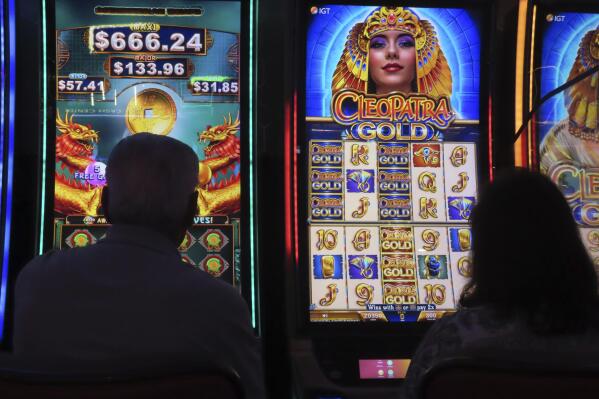
SlotLounge Casino exemplifies the modern evolution of gambling, blending traditional practices with contemporary technology. With an extensive selection of over 4,000 games, including slots and live dealer tables, it caters to a diverse audience that seeks both excitement and convenience. This online platform highlights the transition from brick-and-mortar establishments to virtual gaming experiences, reflecting a global trend in how people engage with gambling.
The casino’s commitment to user experience is evident in its generous welcome bonuses and promotions, which encourage newcomers to explore its offerings. Additionally, the seamless integration of crypto and fiat payment options demonstrates a forward-thinking approach to online transactions, aligning with contemporary preferences for digital currencies. This adaptability ensures that SlotLounge Casino remains competitive in a rapidly changing industry.
Furthermore, with 24/7 customer support and a mobile-friendly Progressive Web App, SlotLounge Casino provides players with unparalleled accessibility. This commitment to user satisfaction underscores the importance of creating a welcoming environment for gamers. As the gambling landscape continues to evolve, platforms like SlotLounge serve as vital touchpoints for understanding cultural perspectives on gambling in the digital age.
